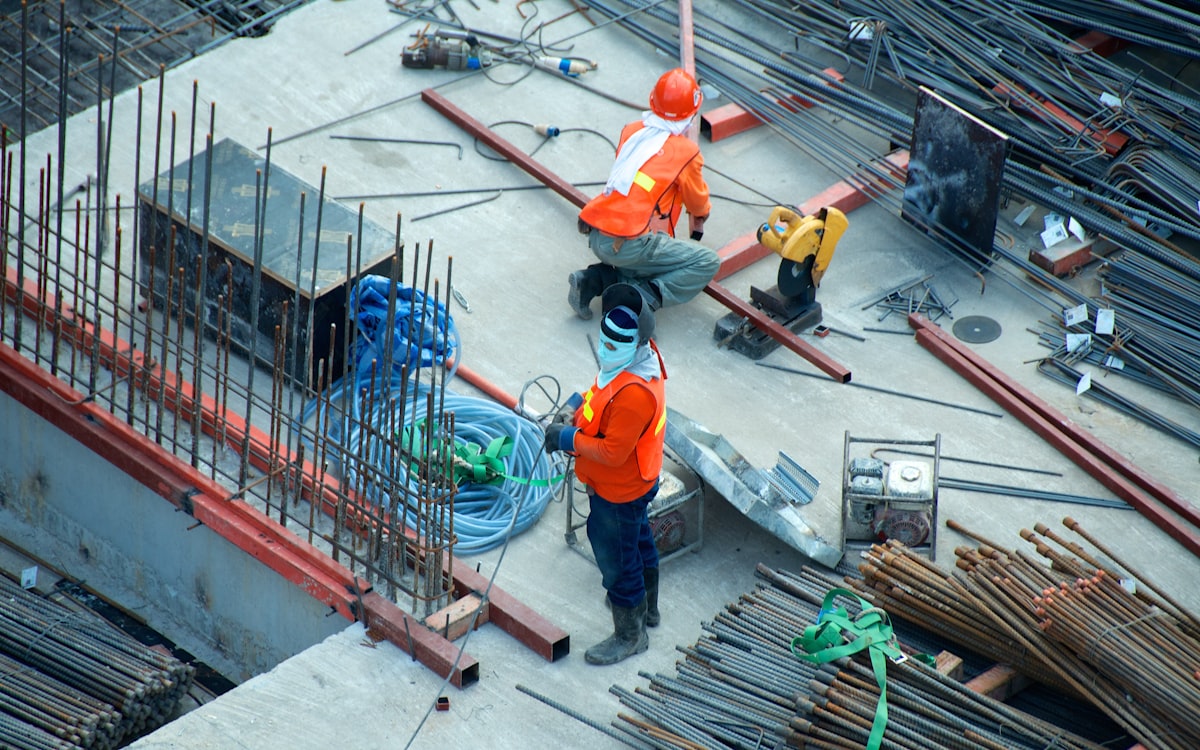
Concrete Driveways & Foundations in Houston: Beating the Clay Soil Problem
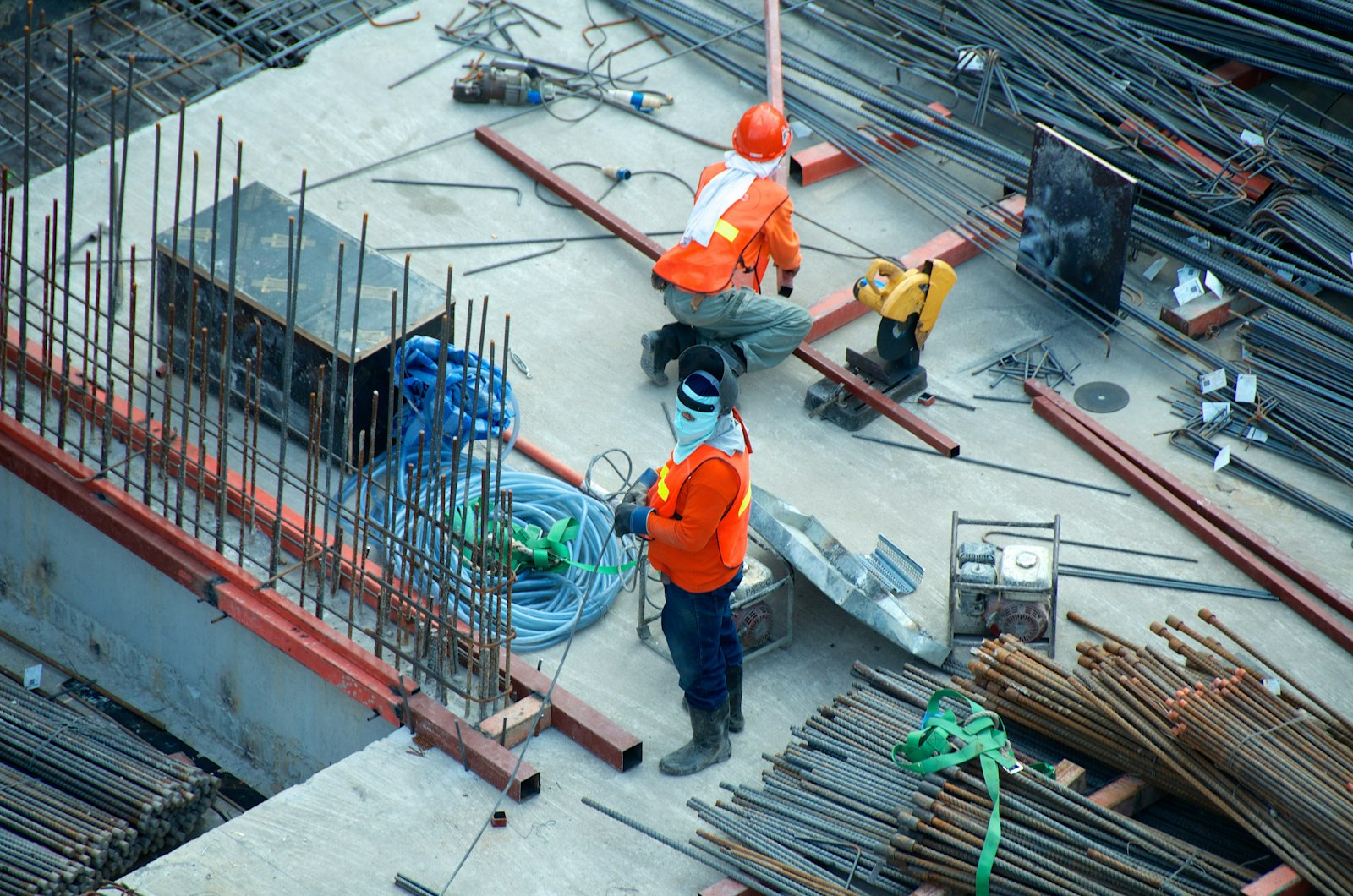
If you've ever walked a Houston neighborhood and noticed cracked driveways, sinking sidewalks, or uneven slabs, you're seeing the same enemy: expansive clay soil. The Greater Houston area sits on some of the most reactive soils in the country, and concrete that isn't poured correctly will fail in 5–10 years instead of lasting 30+. At Detail Construction & Remodeling, we've poured thousands of yards of concrete across Houston, and here's exactly what separates a driveway that lasts from one that doesn't.
Why Houston Concrete Cracks: It's the Soil, Not the Concrete
The soils across Houston, Katy, Sugar Land, Pearland, and most of the Greater Houston area are dominated by highly expansive clays — primarily smectite and montmorillonite. These soils swell when wet and shrink when dry, sometimes by as much as 6 inches vertically across a single season. That movement is brutal on rigid materials like concrete, which is why improperly prepped slabs will crack no matter how good the concrete mix is.
What Proper Concrete Prep Looks Like in Houston
Pouring concrete that lasts in Houston comes down to three things: base, reinforcement, and drainage. Here's how we approach every concrete project:
1. Subgrade Preparation
We over-excavate the soil, then build back up with a compacted layer of base material — usually 4–6 inches of crushed limestone or concrete sand. This gives the slab a stable, drainable foundation that's less reactive to moisture changes than raw clay.
2. Vapor Barrier & Reinforcement
For driveways, we use #4 rebar on 18-inch centers, tied at every intersection. For interior slabs and foundations, we add a 10-mil vapor barrier underneath to block ground moisture. Cheap contractors use wire mesh that gets stepped on during the pour and ends up sitting on the bottom of the slab — useless. We chair the rebar so it sits in the middle third of the slab thickness, where it actually does work.
3. Proper Slab Thickness
Residential driveways in Houston should be a minimum of 4 inches thick — 5 inches if you'll have anything heavier than passenger vehicles. Commercial drives and RV pads should be 6 inches with #5 rebar. We've seen builders try to save money with 3-inch pours; those slabs are cracked within two years.
4. Control Joints
Concrete will crack — the question is where. Control joints (sawcuts placed at the right depth and spacing within 24 hours of the pour) tell the concrete where to crack. Done right, those cracks stay invisible inside the joints. Done wrong, you get random fractures across the slab.
5. Drainage & Slope
Standing water is the enemy of concrete in Houston. Every driveway and patio we pour has at least a 1/4-inch-per-foot slope away from the house, with French drains or surface drains added wherever the lot grading would trap water against the slab.
How Much Does Concrete Cost in Houston?
Concrete pricing in the Houston market in 2026 typically runs:
- Standard driveway: $8–$12 per square foot for a 4-inch reinforced pour
- Decorative or stamped concrete: $14–$22 per square foot
- Patios & sidewalks: $7–$11 per square foot
- RV pads & commercial slabs: $11–$16 per square foot
- Residential foundations: $5–$8 per square foot of footprint
You can find contractors quoting cheaper, but they almost always cut prep, rebar, or thickness — and Houston's soil will collect on the savings within a few years.
Frequently Asked Questions
How long does new concrete take to cure in Houston?
Concrete reaches about 70% strength in 7 days and full strength in 28 days. We recommend keeping vehicles off new driveways for 7 days and avoiding heavy loads (trucks, RVs) for 14 days. In Houston's heat, we wet-cure or use curing compounds to prevent surface dehydration that causes hairline cracks.
Why does my old concrete have hairline cracks?
Hairline cracks (under 1/16 inch) are normal and usually cosmetic — they happen as concrete shrinks during initial curing. Cracks wider than 1/8 inch, cracks that move with seasons, or cracks with vertical displacement indicate a structural or soil issue and should be evaluated by a contractor.
Can you pour over old concrete?
Sometimes. If the existing slab is structurally sound (no significant cracking, settling, or heaving), we can pour a 2-inch overlay or resurface it. If the underlying slab is failing, an overlay just hides the problem temporarily — it's better to demo and re-pour.
What time of year is best for concrete in Houston?
Spring and fall are ideal — temperatures between 50°F and 85°F give the best cure. We pour year-round, but in summer we start early to avoid afternoon heat, and in winter we use accelerators and protect against any rare freezes.
See Our Concrete Work in Houston
We've poured driveways, foundations, slabs, sidewalks, and decorative concrete across the entire Houston metro. Browse our concrete past projects to see real examples, or check out our paver installation work if you want the look of stone with the strength of concrete.
Get a Free Concrete Estimate in Houston
Whether you're in Katy, Sugar Land, The Woodlands, Pearland, League City, or anywhere in Greater Houston, Detail Construction & Remodeling will visit your property, evaluate your soil and drainage, and give you a transparent quote with exactly what's included. Contact us for a free concrete installation estimate today.
Need Help With Your Project?
Contact Detail Construction for a free estimate on your next project.